Cats
Helping cats thrive indoors
Create a secure, interesting home that supports your cat’s instincts, comfort and long-term health.
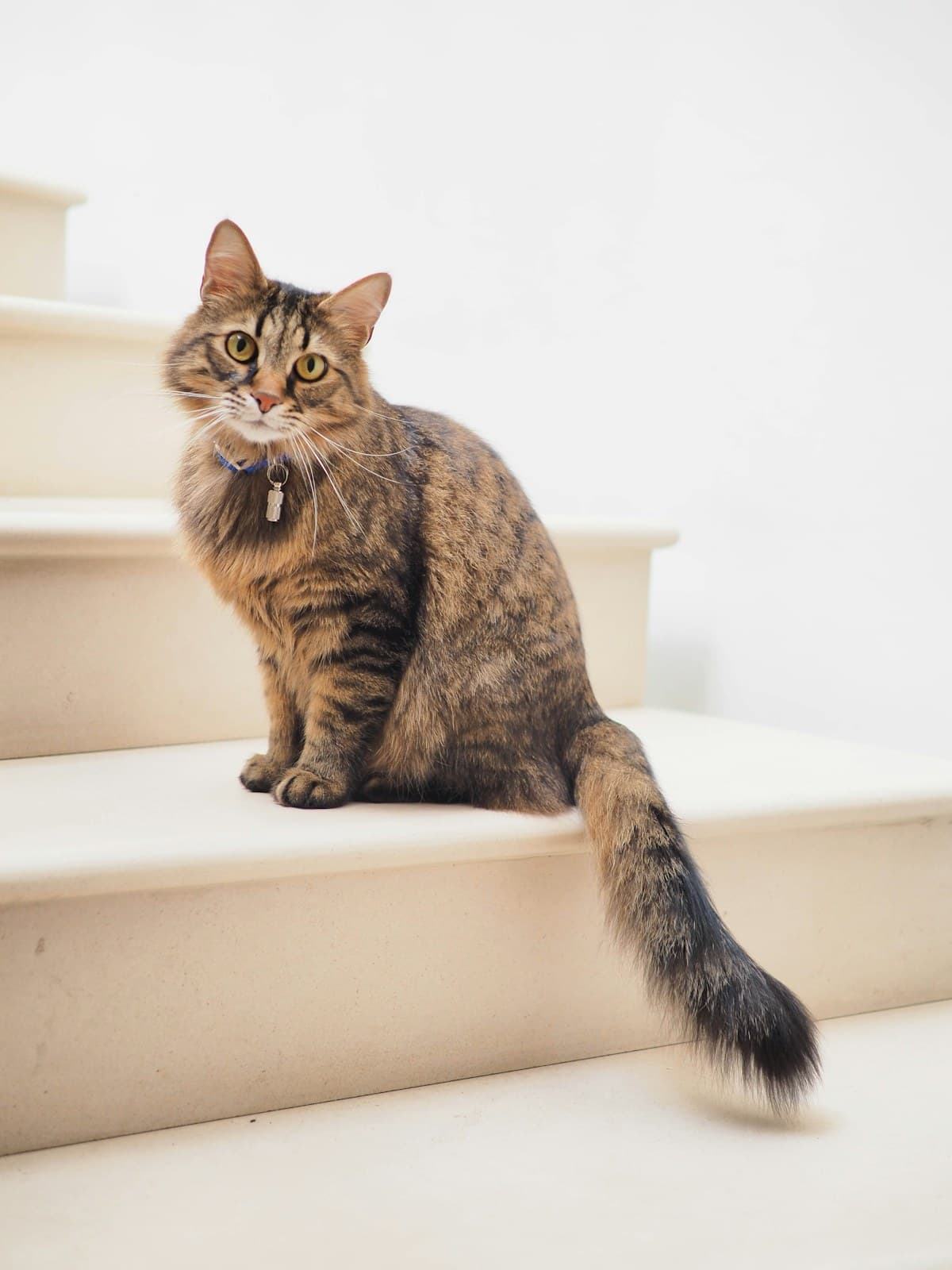
Indoor living protects cats from traffic, fights, disease exposure and harm to wildlife. The trade-off is that the home must provide safe outlets for climbing, scratching, hunting, hiding and observing.
Think in three dimensions
A cat’s usable territory includes height. A stable cat tree, secure shelf or window perch gives choice and can reduce tension, particularly in busy or multi-cat homes. Place climbing options where the cat can observe without becoming trapped by another animal.
Hiding is a healthy coping behaviour. Offer enclosed beds, open carriers or cardboard boxes in quiet areas and never pull a cat out of a retreat. A cat who knows they can withdraw may be more confident about re-emerging.
Make essential resources easy to access
Food, water, litter trays, resting places and scratching surfaces should not all be grouped into one “cat station”. Spread them through the home so one cat, person or noisy appliance cannot block access. Keep water away from litter, and try separate water locations; some cats prefer wide bowls that do not press on the whiskers.
For litter trays, a useful starting point is one tray per cat plus one extra, positioned in different quiet locations. Large, uncovered trays with unscented litter suit many cats, but preference matters. Scoop at least daily and wash with a mild, unscented cleaner. Sudden toileting outside the tray is not spite — consider access, cleanliness, social stress and medical causes.
A cat-friendly room includes
- A high lookout and a low hiding place.
- A tall, stable scratcher near a sleeping or social area.
- Safe solo toys plus daily interactive play.
- A clear route between resources with no dead-end ambush points.
Use play to complete the hunting sequence
Wand toys let cats stalk, chase and pounce while keeping hands out of the game. Move the toy like prey — sometimes disappearing behind furniture, sometimes pausing — and allow regular catches. Short sessions once or twice daily often work better than one long session. Finish by letting the cat catch the toy and offer a small portion of food.
Put string and wand toys away after use to prevent swallowing or entanglement. Rotate lightweight balls, kicker toys and puzzle feeders. If using laser play, end on a physical toy or treat so the chase has a tangible conclusion.
Food and weight need quiet attention
Feed a complete and balanced diet for the cat’s life stage. Measure the daily amount, including treats, and split it into several small meals where practical. Puzzle feeding or hiding small portions can add activity. Changes in food should usually be gradual unless your vet directs otherwise.
Excess weight raises health risks and can make grooming and movement difficult. Weight loss must be planned with a veterinarian: cats that stop eating, especially overweight cats, can become seriously ill. Seek advice promptly if appetite drops or a cat has not eaten for a day.
Scratching is normal and useful
Scratching maintains claws, stretches muscles and leaves visual and scent marks. Provide sturdy options tall enough for a full stretch as well as horizontal surfaces if your cat prefers them. Place scratchers beside sleep spots and near furniture already being scratched. Reward use and protect furniture temporarily; punishment can create fear without meeting the need.
Respect feline communication
A gently upright tail and slow blink can signal friendly intent. A swishing tail, flattened ears, skin twitching or a head turned sharply toward your hand may mean the interaction should stop. Let the cat initiate and end contact. Many prefer brief strokes around the cheeks and head over full-body handling.
In multi-cat homes, apparent tolerance is not always friendship. Watch for staring, blocking doorways, chasing, one cat consistently hiding or changes in toileting. Add distance and duplicate resources rather than expecting sharing.
Containment can still include fresh air
A secure cat enclosure, screened balcony or escape-proof yard can add weather, scent and movement safely. Check all joins and overhead routes, provide shade and water, and supervise until you are confident the space is secure. Harness walks suit some cats but should be introduced slowly indoors and never forced.
Know the subtle health signals
Cats often show illness through small changes: hiding more, jumping less, a dull coat, altered appetite, unusual vocalising or different litter-tray habits. Straining to urinate, repeated tray visits with little or no urine, crying or licking the genital area is an emergency, particularly in male cats. Breathing difficulty, collapse, severe weakness, seizures or suspected poisoning also need urgent veterinary care.
Notice what goes into the bowls, what appears in the litter tray and where your cat chooses to spend time. Those ordinary observations are often the earliest health information you have.