Health
Preventive health, made simple
A clear year-round framework for vet visits, parasite control, dental care, healthy weight and emergencies.
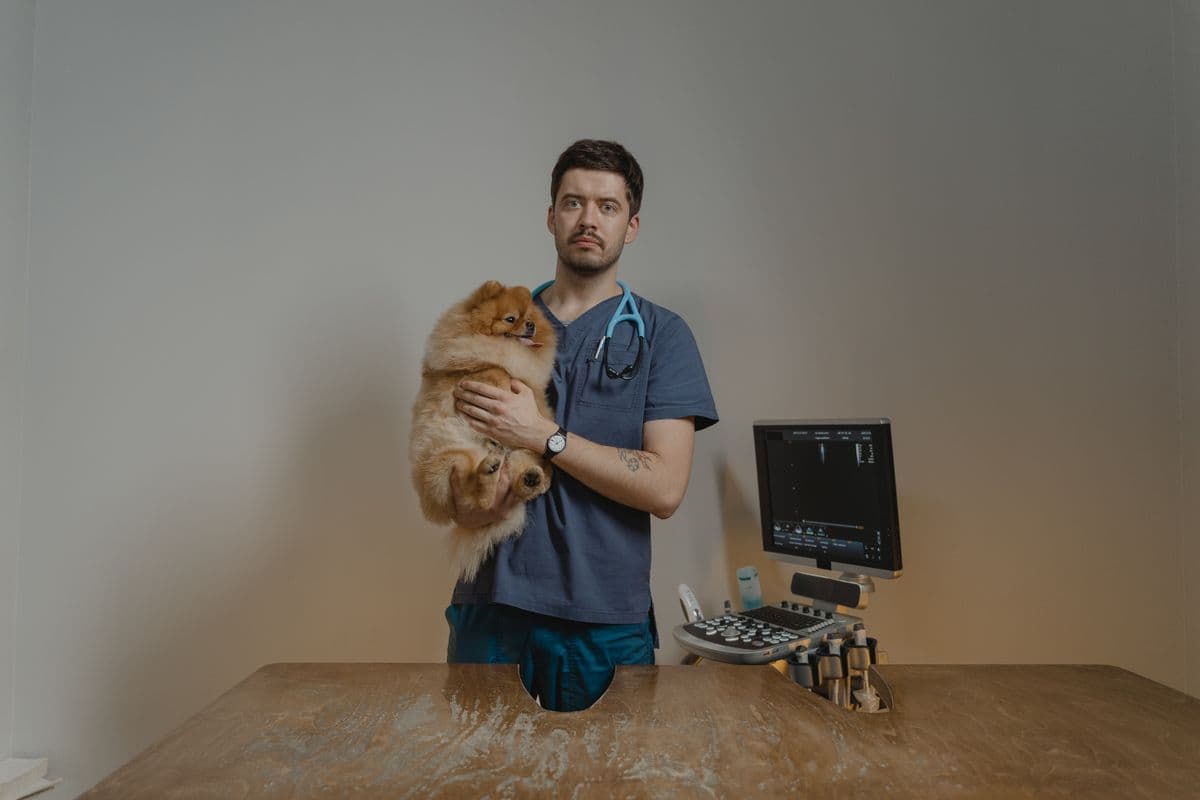
Preventive care is not one universal schedule. It is a plan built with your veterinarian around species, age, lifestyle, location and health history — then kept manageable with a few reliable reminders.
Schedule health checks before there is a problem
A routine examination establishes what is normal for your pet and may identify dental disease, weight change, heart or lung abnormalities, skin issues and pain before they become obvious at home. Many healthy adults benefit from at least an annual check; puppies, kittens, seniors and animals with ongoing conditions may need more frequent visits.
Bring notes about appetite, water intake, toileting, mobility, sleep and behaviour. Short videos can help show intermittent coughing, limping or unusual episodes that may not appear in the clinic. Ask what changes should trigger an earlier appointment.
Vaccination plans are individual
Core vaccines protect against serious, widespread diseases, while other vaccines depend on exposure and local risk. The right products and intervals differ between dogs and cats and may change with age, boarding, travel or disease outbreaks. Your vet can explain what is recommended in your area and record when each dose is due.
Puppies and kittens require an initial series because antibodies received from their mother can interfere with early vaccination. Protection is not immediate, so ask your vet how to balance safe socialisation with infection risk until the course is complete.
Match parasite control to Australian risk
Fleas, ticks, heartworm and intestinal worms have different life cycles and distributions. Risk varies with climate, region, travel, hunting, outdoor access and contact with other animals. For example, paralysis tick risk is especially important along parts of Australia’s east coast, but travel can expose pets from other regions.
Ask your veterinary team to create a written schedule and check whether products can safely be combined. Dose to a current weight and never use a dog-only product on a cat; some canine flea and tick products containing permethrin are highly toxic to cats. If a dose is late, do not double it without advice.
Put these recurring tasks on one calendar
- Routine health examination and vaccination review.
- Parasite doses, with the product and weight range recorded.
- Monthly weight or body-condition check.
- Microchip and council-registration detail check.
Protect dental health every day
Dental disease is common and often painful. Bad breath, red gums, dropping food, chewing on one side or avoiding hard food deserve assessment, but animals may have significant disease without obvious signs. A professional dental procedure under anaesthesia allows the veterinarian to examine, clean and treat below the gumline.
Daily brushing with pet toothpaste is the most useful home habit for many dogs and cats. Start gradually: first reward touching the muzzle, then lifting the lip, then brief contact with a soft brush. Dental diets or products may help in some cases, but they do not replace examination and should be chosen with your vet.
Keep weight and movement visible
Healthy weight supports joints, breathing, grooming and metabolic health. Ask your vet to show you how to assess body condition, then monitor it at home. Weigh small animals on household scales or use the same clinic scales periodically for consistency.
Adjust food using measured portions and make changes gradually. Safe weight loss is species-specific; never crash-diet a pet. Movement should suit age, anatomy and health. New reluctance to jump, slower rising, altered gait or withdrawal may indicate pain rather than “just getting old”.
Desexing and reproductive health
Desexing can prevent unwanted litters and certain health conditions, but timing is an individual decision influenced by species, sex, breed, size, health and living situation. Discuss benefits, risks and timing with your veterinarian rather than relying on a single rule. Regardless of status, seek prompt advice for unusual discharge, mammary changes, testicular changes or difficulty urinating.
Prepare for emergencies before they happen
Save the phone number and address of your regular clinic and nearest after-hours emergency hospital. Keep a secure carrier or suitable restraint accessible, know how you will transport the animal and maintain a current list of medications and conditions. Calling ahead can help the clinic prepare and give you safe first-aid instructions.
Do not give human medication unless a veterinarian specifically directs it. Common painkillers and other household products can be fatal to pets. If poisoning is possible, keep the packaging, estimate the amount and time, and call a veterinarian or animal poisons service promptly rather than waiting for symptoms.
Seek urgent veterinary care for:
- Difficulty breathing, blue or very pale gums, collapse or unresponsiveness.
- Seizures, severe weakness, uncontrolled bleeding or major trauma.
- Repeated unproductive retching, a rapidly swollen abdomen or severe pain.
- Straining without passing urine, especially in a male cat.
- Heat stress, suspected poisoning or a rapidly worsening allergic reaction.
Keep records simple and portable
Maintain one digital or paper record with vaccination certificates, parasite products, laboratory results, medication doses, microchip number and insurance details. Update contact information on the microchip registry and with your council whenever you move. Clear records are especially helpful during travel, boarding or emergency care.
At each routine visit, ask three questions: What is due next? What should I monitor at home? What would make you want to see my pet sooner? Write down the answers before you leave.