Dogs
Everyday dog care
Build a routine around movement, enrichment, training, food and the subtle signs that your dog needs help.
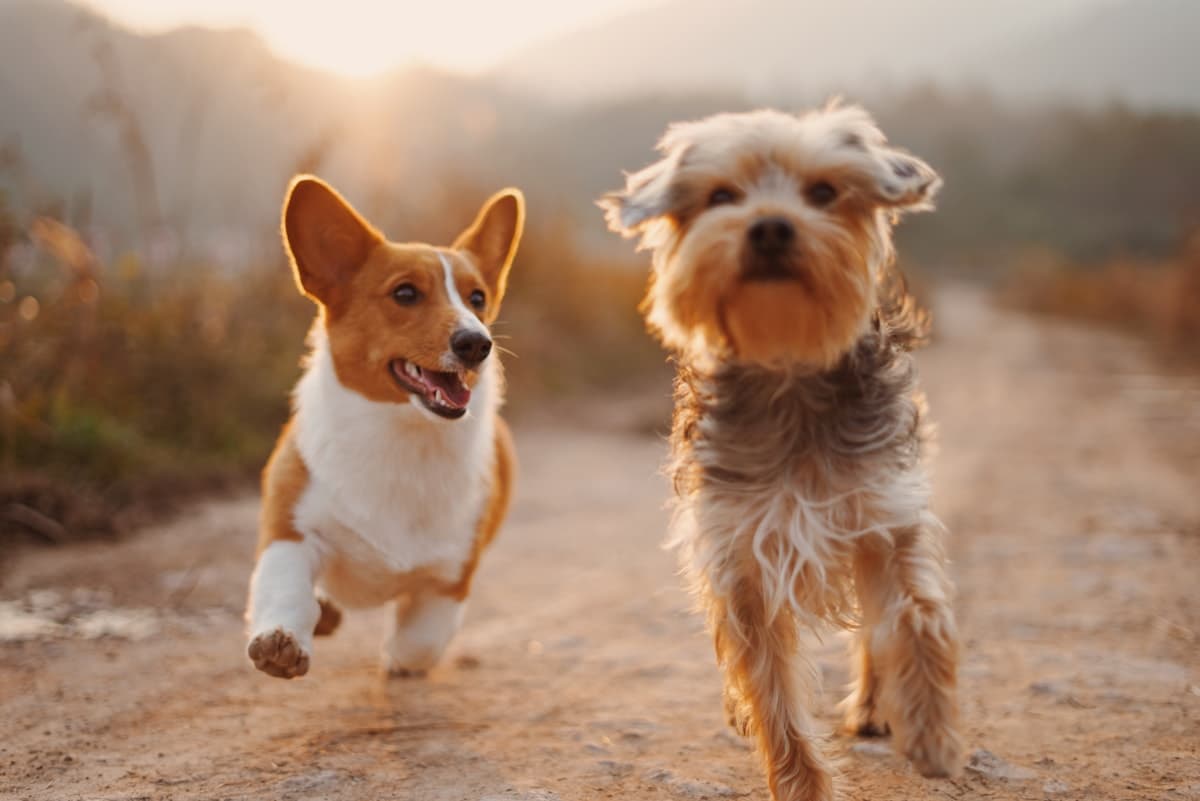
Good dog care is not a race to provide constant excitement. Dogs tend to do best with a reliable rhythm: enough sleep, suitable movement, chances to sniff and think, positive social contact and clear ways to succeed.
Build a routine around the individual
Age, health, body shape, breed traits and confidence all influence what a dog needs. A young working-breed dog and an older short-nosed dog should not follow the same exercise plan. Start from the dog in front of you, then adjust based on recovery, enthusiasm, comfort and veterinary advice.
Predictability can reduce stress. Keep meals, toileting opportunities and rest periods reasonably consistent while allowing flexibility. Adult dogs commonly sleep or rest for much of the day; puppies and seniors often need even more. An overtired dog can look restless, mouthy or unable to settle.
Exercise is more than distance
A walk should provide information as well as kilometres. Letting a dog pause and sniff can be mentally satisfying, especially in a safe area with a comfortable lead or harness. Mix lower-intensity sniffing walks with play, gentle training and movement appropriate to the dog’s condition.
Avoid strenuous activity in heat. Australian summer footpaths can burn paw pads even when the air temperature seems manageable. Walk at cooler times, provide shade and water, and be especially cautious with puppies, seniors, overweight dogs and flat-faced breeds. Heavy panting that does not settle, weakness, vomiting, bright red or very pale gums, confusion or collapse is an emergency.
Simple enrichment at home
- Scatter part of a meal in grass or across a safe room.
- Hide treats in folded towels or cardboard for supervised searching.
- Practise two minutes of touch, wait, settle or recall.
- Rotate safe toys rather than leaving every toy out all the time.
Train with clarity, not intimidation
Reward-based training teaches dogs which choices work. Mark the desired behaviour with a consistent word such as “yes”, then provide something the dog values. Set up the environment so success is likely: if a dog jumps on guests, use distance or a barrier while teaching four paws on the floor rather than repeatedly waiting for failure.
Growling is information. Punishing it can suppress a useful warning without changing the underlying fear or discomfort. Create distance, identify the trigger and seek qualified help for aggression, guarding, panic, persistent reactivity or separation-related distress. Sudden behaviour change also warrants a veterinary check because pain and illness often affect behaviour.
Food, water and healthy body condition
Feed a complete and balanced diet appropriate for the dog’s life stage unless your vet recommends otherwise. Measure portions rather than relying on the scoop by eye, include training treats in the daily allowance and reassess after desexing or changes in activity.
You should usually be able to feel the ribs with light pressure and see a waist from above, although coat and body shape vary. Slow weight gain can be easy to miss when you see a dog every day. Monthly photos from above and the side, plus regular weighing, make trends easier to notice. Fresh water should always be available.
Grooming is a health check
Handle paws, ears and the mouth gently and pair the experience with rewards. Check the skin for redness, lumps, parasites, wounds or persistent licking. Brush often enough to prevent matting for the coat type, and ask a groomer or vet to demonstrate nail care if you are unsure.
Healthy ears should not need aggressive cleaning. Strong odour, discharge, repeated head shaking or pain should be assessed rather than repeatedly treated at home. Brush teeth daily where possible with pet toothpaste; human toothpaste is not appropriate for dogs.
Provide safety and social connection
Use secure fencing, a correctly fitted collar or harness and up-to-date identification. Restrain dogs safely in vehicles. At home, give the dog a resting place where children and visitors leave them undisturbed. Supervise all dog-and-child interactions — familiarity is not a substitute for supervision.
Socialisation means building safe, positive associations, not greeting every dog or person. A dog who calmly observes at a comfortable distance is learning too. Respect avoidance and give choice whenever safety permits.
Notice changes early
Learn your dog’s normal appetite, thirst, toileting, movement, breathing and sociability. Contact a vet for persistent changes, repeated vomiting or diarrhoea, coughing, unexplained weight change, difficulty urinating, limping or pain. Breathing difficulty, collapse, seizures, a swollen abdomen with unproductive retching, uncontrolled bleeding or suspected poisoning require urgent care.
Each day, aim for clean water, measured food, comfortable rest, toileting access, kind connection and some chance to move, sniff or solve a small problem. Consistency matters more than novelty.